Tomatoes as a Growth Engine in Rwanda’s Agriculture
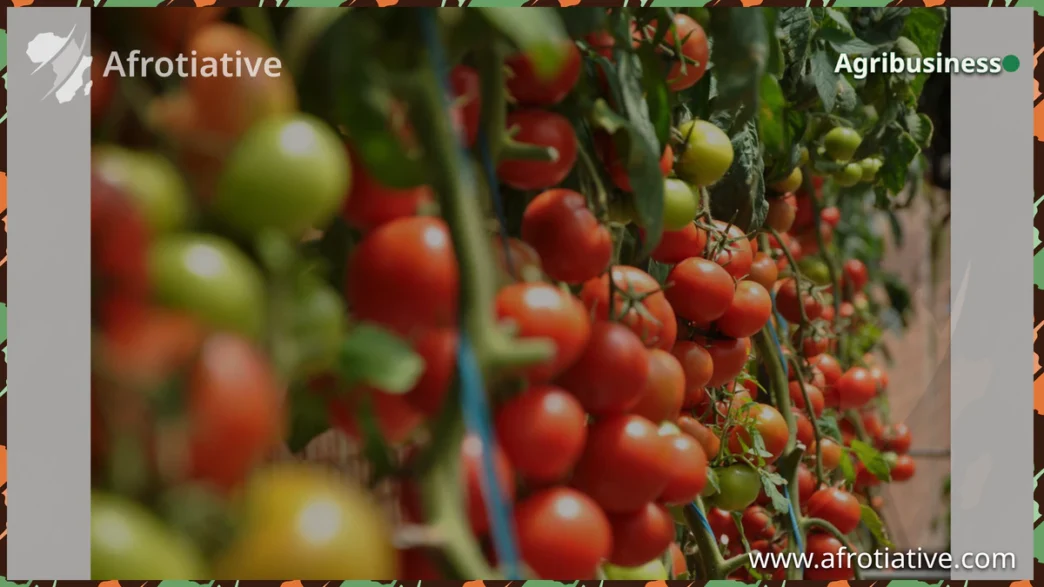
According to Agence Ecofin, Rwanda generated $14 million through tomato exports in 2023/2024, surpassing previous years’ figures significantly. This surge followed a 13.7% increase in export volumes to 13,700 tonnes, driven by expanded irrigated land to 2,552 hectares. The Office National des Exportations Agricoles (NAEB) highlights a 14.9% compound annual growth rate (CAGR) in agricultural exports from $419 million in 2019-2020 to $839 million in 2023-2024, with tomatoes contributing notably to this trend.
Data from horticultural platforms like Hortidaily.com corroborates this growth, though it does not specify revenue figures. The upward trajectory aligns with global demand for affordable, high-quality produce, positioning Rwanda as a key player in regional markets. This growth is part of a broader strategy to diversify exports beyond traditional coffee and tea.
Economic Impact and Foreign Exchange Benefits
Financially, the $14 million from tomatoes translates to a critical injection into Rwanda’s foreign exchange reserves, as noted by Agence Ecofin. This amount represents a doubling compared to three years prior, directly supporting trade balance objectives. Pauline Saikali, a LinkedIn contributor, emphasizes that such revenues reduce dependency on imports and stimulate local economies through value-added processing and job creation in cooperatives.
The NAEB annual report underscores that tomato exports are part of a sector-wide success story, with agricultural exports collectively growing by 14.9% CAGR. This points to systemic improvements in logistics, infrastructure, and policy frameworks enabling such achievements. However, the report also flags that challenges like climate variability persist, requiring adaptive measures to sustain growth.
Key Drivers of the Export Surge
Modern irrigation systems play a pivotal role, as highlighted by Agence Ecofin. The expansion of irrigated land to 2,552 hectares has stabilized production against climatic shocks, enabling year-round harvests. Additionally, farmer cooperatives have optimized post-harvest handling and logistics, ensuring timely market access. These cooperatives are often subsidized or supported by government programs, reflecting a coordinated approach to scaling exports.
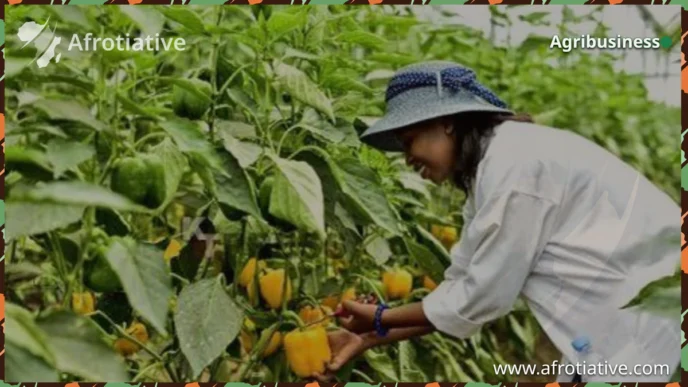
Technology adoption is another key factor. Greenhouse farming, promoted by entities like Holland Greentech Rwanda (mentioned in Saikali’s LinkedIn post), allows controlled environments to enhance yield and quality. This aligns with global trends favoring sustainable and climate-resilient agriculture. The NAEB report also notes increased government investment in infrastructure, particularly in export corridors and cold storage facilities, which are critical for perishable goods like tomatoes.
Challenges and Future Prospects
Despite the growth, challenges remain. Climate variability and input costs are identified as bottlenecks in the NAEB report and echoed by horticultural experts. Competition from other African exporters, such as Kenya and Uganda, adds pressure to maintain quality and price competitiveness. Moreover, scaling up cold storage facilities to handle larger volumes remains a logistical hurdle.
Looking ahead, experts suggest expanding into value-added products like processed tomato powders or sauces to enhance profit margins. The NAEB’s strategic focus on emerging commodities, including horticultural exports, indicates that tomatoes are likely to remain a priority. With continued government support and private sector collaboration, Rwanda could solidify its position as a leader in East African agricultural exports.
Sources
Crédit image : hortidaily.com